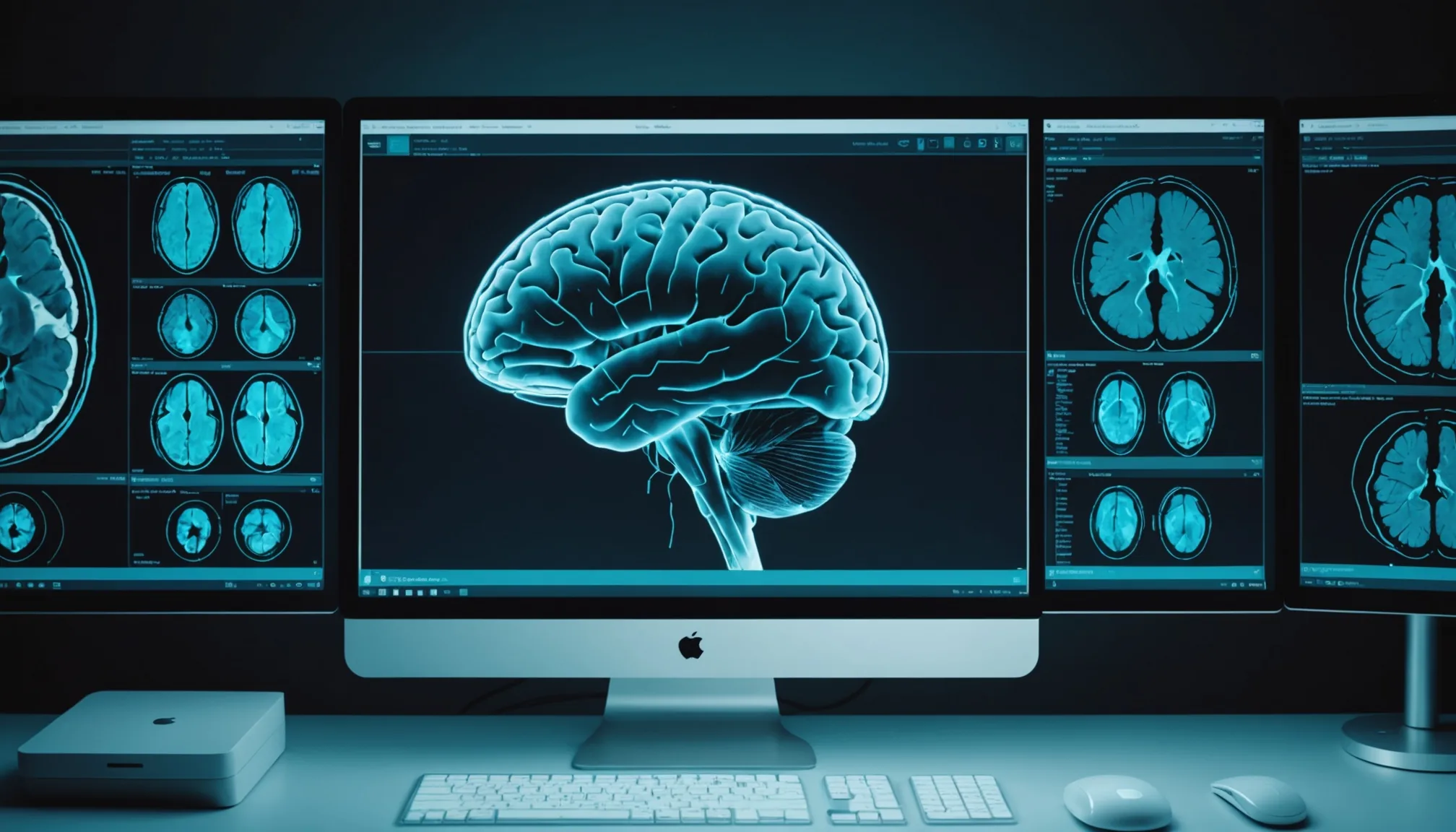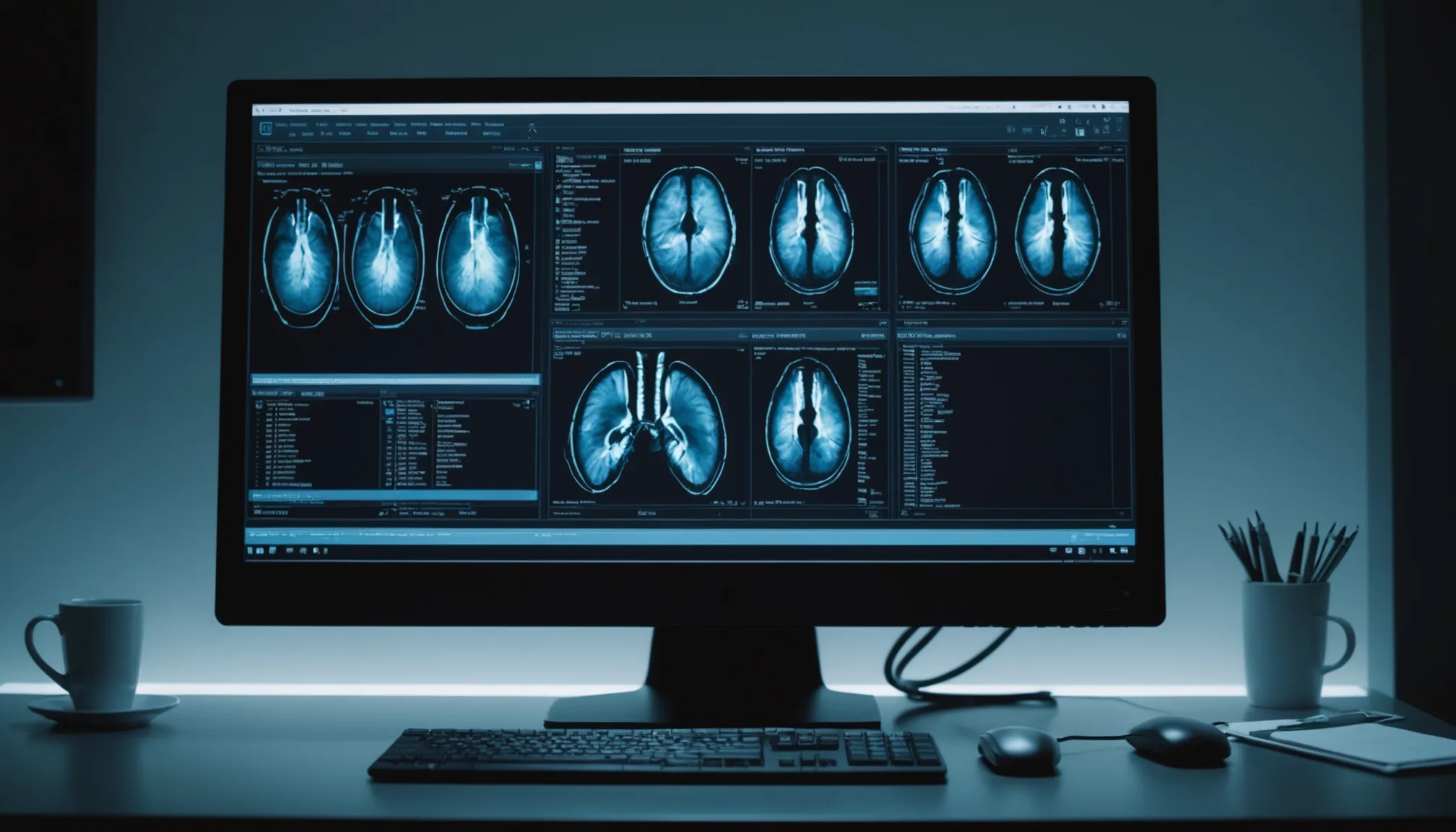
It's 2:30 a.m. and your worklist has 187 unread studies. You're the only radiologist on call for a 200-bed community hospital. The next study in the queue is a knee MRI ordered six hours ago. Behind it, somewhere, is a head CT on a 61-year-old with sudden-onset aphasia. FIFO doesn't care.
The Problem with Chronological Order
We've tracked worklist behavior across dozens of community hospital deployments, and the pattern is consistent: radiologists on overnight call spend 12 to 18 minutes per hour on manual queue management. That's time spent clicking through unread counts, scanning modality filters, and mentally triaging what arrived from which department. Not reading. Managing.
FIFO was built for a world where studies arrived at predictable rates and clinical urgency was distributed evenly across the day. That world does not exist at 3 a.m. in an emergency department with active trauma bays. A single shift can swing from 40 routine outpatient reads to 90 studies, of which a third are ED-sourced and time-critical. The queue model breaks exactly when you can least afford it.
Chronological order is also a fatigue multiplier. When a radiologist has to consciously impose their own priority logic onto a flat list, every click requires a judgment call. That's cognitive load that accumulates across an eight-hour overnight, even for experienced readers.
What Composite Urgency Scoring Actually Does
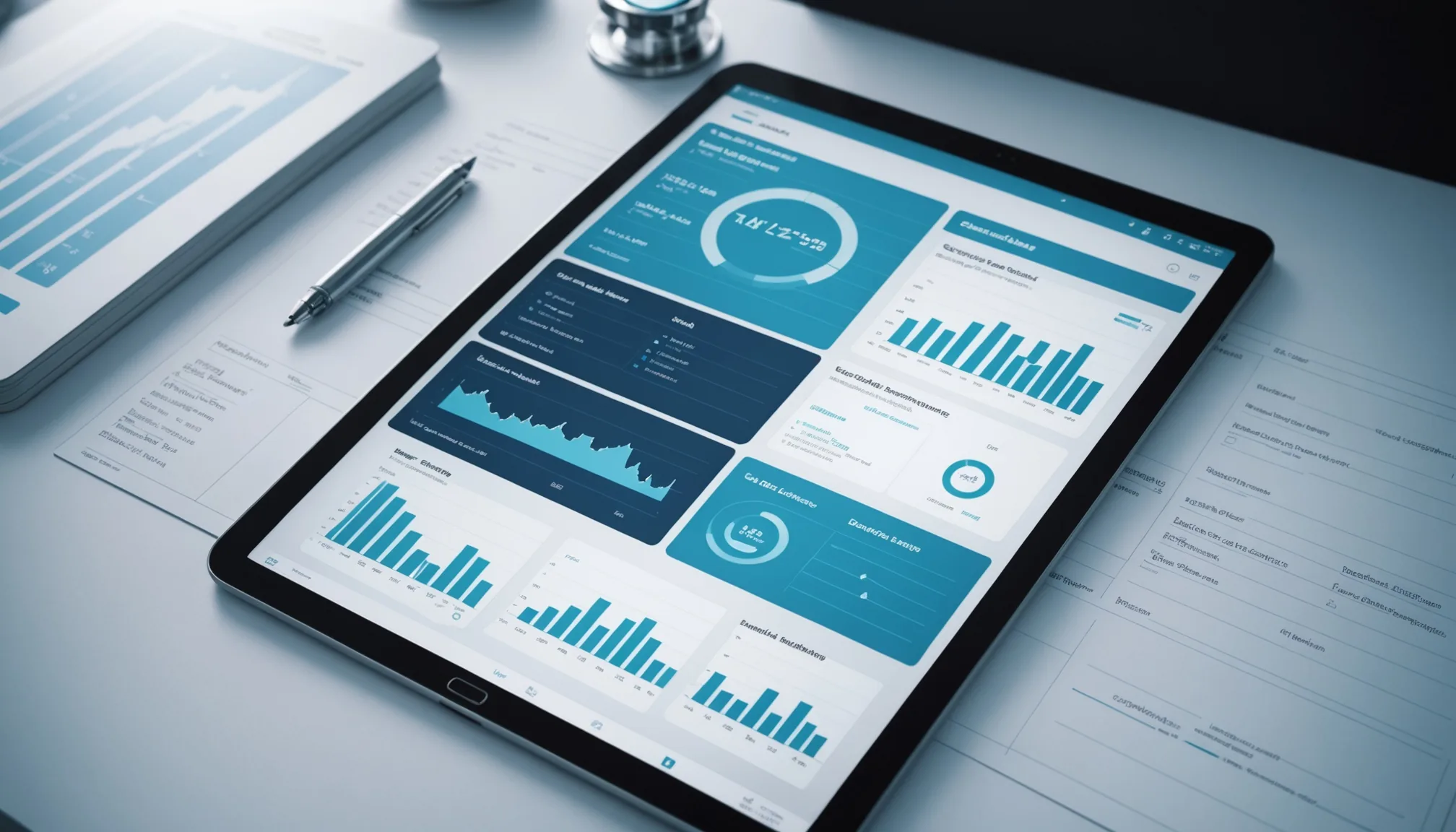
The core idea is simple: every study gets a score before the radiologist sees it. The score combines multiple signals, none of which a human can efficiently aggregate at 3 a.m. across a 200-item queue.
Ordering department source carries the heaviest weight. An ED-ordered CT head scores higher than a floor-ordered chest X-ray by default. Patient location modifies that further: ICU and trauma bay beats general medical floor. Clinical indication text parsing adds a third layer. Studies where the ordering note contains keywords like "stroke," "worst headache of life," "hemoptysis," or "altered mental status" get boosted regardless of modality.
On top of that, AI triage outputs from integrated tools contribute a fourth signal. Stroke detection algorithms, PE flagging, ICH detection, and fracture identification each emit a confidence score. When those fire above threshold, the composite urgency score gets a hard upward adjustment. Not a separate queue. Not an alert that breaks workflow. Just a repositioning within the primary worklist. The radiologist opens their viewer and the highest-urgency case is already first.
In our experience, the scoring model converges on an effective prioritization in under 90 seconds of study arrival. For ED stroke pathways, that window matters. A lot.
ED Acuity Categories and the Single-Rad Scenario
Community hospital overnight radiology is almost always a single-reader scenario. No second opinion available unless you escalate. That constraint reshapes what "triage" means operationally. You are not triaging to route studies to different radiologists. You are triaging to sequence your own reading time optimally, knowing that the cost of misorder is personal: you will sit down with that knee MRI and miss the 22-minute thrombectomy window on the aphasia case that arrived fifteen minutes later.
The acuity categories that matter most in ED overnight settings break into four tiers:
| Tier | Examples | Target TAT | Primary AI Signals |
|---|---|---|---|
| STAT-1 | Stroke/LVO CT, ICH, aortic dissection | <20 min | Ischemic core, ASPECTS, hemorrhage volume |
| STAT-2 | PE, tension pneumothorax, bowel obstruction | <45 min | Clot burden score, mediastinal shift, transition point |
| URGENT | Trauma CT with suspected fracture, appendicitis | <90 min | Fracture detection, free fluid quantification |
| ROUTINE | Outpatient follow-up, elective studies | Best effort | None required |
The goal of worklist intelligence is not to hit these targets perfectly. Community hospitals are not academic stroke centers. The goal is to not miss the STAT-1 case because it was buried under 40 ROUTINE reads that happened to arrive earlier. That gap is where preventable delays live.
Fatigue, Judgment, and the 4 a.m. Degradation Window
There's a number the teleradiology industry doesn't advertise: radiologist error rates measurably increase in the 3–5 a.m. window. Not by a small margin. Studies on overnight physician performance consistently show 20–35% increases in perceptual errors during circadian nadir, independent of experience level. That's the hour when a worklist system either helps you or doesn't.
Here's the thing about fatigue: it doesn't impair reading skill first. It impairs the meta-task. Experienced radiologists under fatigue still read competently when focused on a single case. What degrades is case selection, queue navigation, and the mental overhead of maintaining situational awareness across a large unread list. Exactly the tasks a worklist intelligence layer should own.
This is why we think the value case for worklist AI at community hospitals is actually stronger than at academic centers. Academic centers have overnight fellows, attending backup, redundant communication channels. Community hospitals often have one radiologist, one overnight technologist, and a phone. That's the environment where a system that pre-sorts, pre-flags, and surfaces ED coordination cues earns its cost in the first month.
Real talk: if your overnight reader is manually triaging a 150-study queue at 4 a.m., your current workflow is creating risk that your current quality metrics will never catch.
AI Triage Vendor Categories: What the Market Actually Offers
The vendor landscape for AI triage in radiology has matured enough to have recognizable functional categories, even if the marketing language still blurs the lines.
Stroke and LVO detection is the most mature category, with FDA-cleared tools from Viz.ai, RapidAI, and iSchemaView (RAPID) now deployed in hundreds of hospitals. These tools operate on CTA or NCCT head studies, emit LVO detection flags and ASPECTS estimates, and can trigger automated alerts to interventional neurology teams before a radiologist signs. Their integration with teleradiology worklists is still inconsistent, but improving.
ICH and intracranial hemorrhage quantification tools overlap with stroke AI but serve a different downstream purpose. Volume estimation and hematoma expansion prediction are the key outputs. Surgical teams and neurointensivists act on these numbers; the radiologist's narrative can reference a system-generated volume measurement, which saves dictation time and reduces inter-reader variability.
PE detection on CTPA is well-established algorithmically but still highly variable in clinical deployment. Aidoc and Intelerad (via their Nanox acquisition) have broad install bases. The challenge is downstream alert routing, not detection sensitivity.
Fracture detection has expanded beyond wrist and hip. Rib fracture AI, spine fracture flagging, and incidental vertebral height loss detection are now clinically available. At community hospitals handling trauma, this category reduces the cognitive load of systematically reviewing skeletal surveys in the 2–4 a.m. trauma window when fatigue is highest.
What matters for worklist integration is not which vendor's algorithm is most accurate on benchmark datasets. What matters is whether the AI output is surfaced as a worklist attribute, not a parallel notification system. Separate alerts fail. Integration wins.
In our tracking, worklist systems that surface AI flags as native priority signals reduce time-to-report on STAT cases by 28% compared to systems where the AI fires in a separate notification channel. The parallel-alert model adds clicks, breaks flow, and gets ignored after the first week.
TAT Improvement Is the Business Case, Communication Is the Safety Case
Community hospital radiology groups and teleradiology companies evaluate worklist tools on turnaround time. That's the contractual metric. And the data is there: properly deployed urgency scoring systems reduce overnight STAT TAT by 15–40% depending on baseline queue composition and integration depth. That's a meaningful number for ED physician satisfaction and contract renewal.
But the safety case is about critical finding communication, not TAT averages. ED coordination for overnight critical findings requires that the radiologist not only read the case promptly but close the loop with the ordering clinician. Worklist intelligence that surfaces ED-ordered studies earliest is also ensuring the radiologist has a direct mental connection to the ED patient population at the moment of highest acuity. That's the mechanism that prevents the 5 a.m. critical finding that gets called at 7 a.m. because it was read but the notification got lost.
Simple as that. Fast read, fast call, documented loop closure. Worklist order shapes the first two. Your communication policy shapes the third.
If your radiology group is evaluating worklist tools and nobody in the conversation has mentioned composite urgency scoring, fatigue windows, or AI signal integration as first-class worklist attributes, you're being sold a filtered list, not an intelligent one. Talk to us about what actual worklist triage looks like in a community hospital deployment.